Weedkiller Residue
in Brooklyn, New York
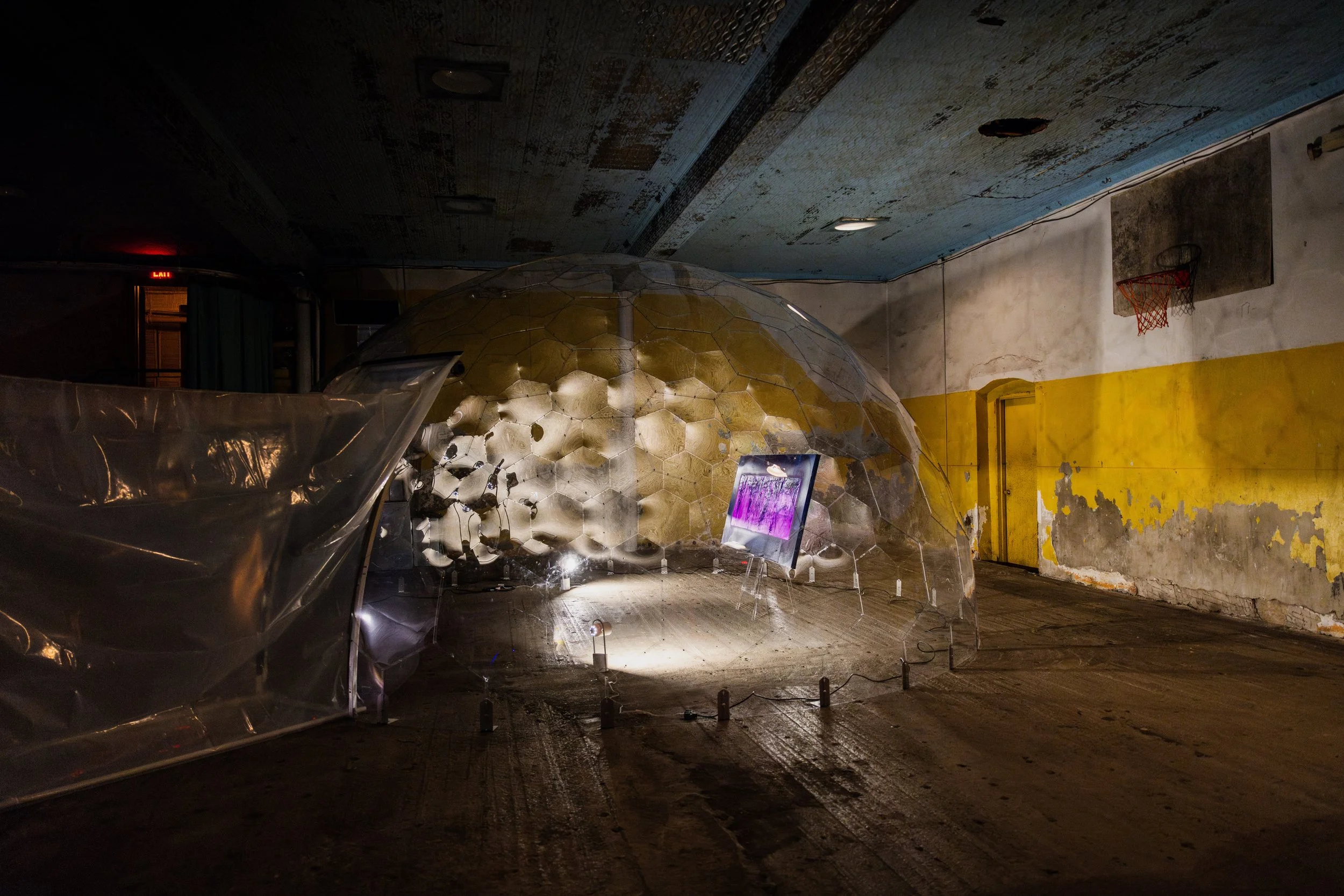
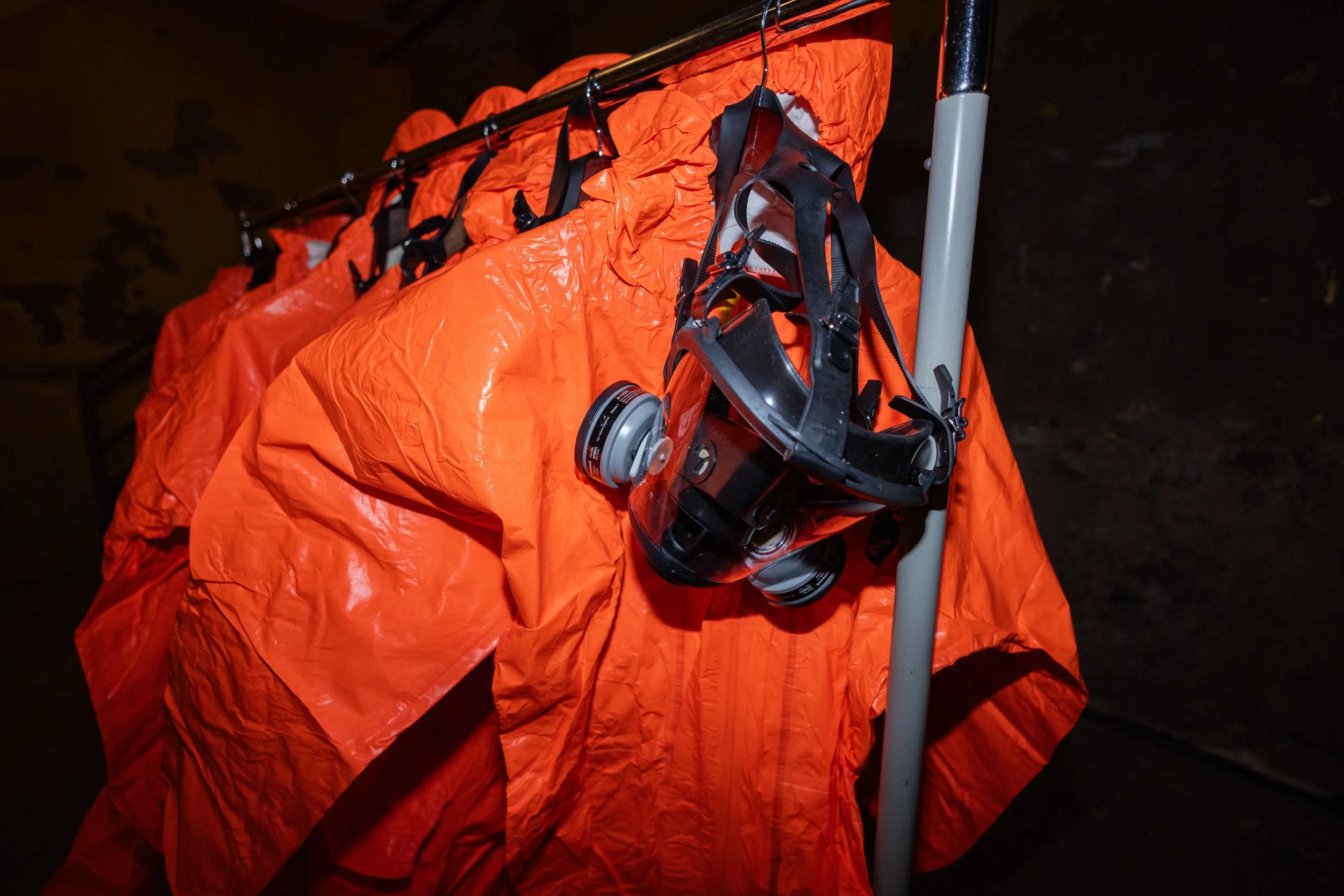
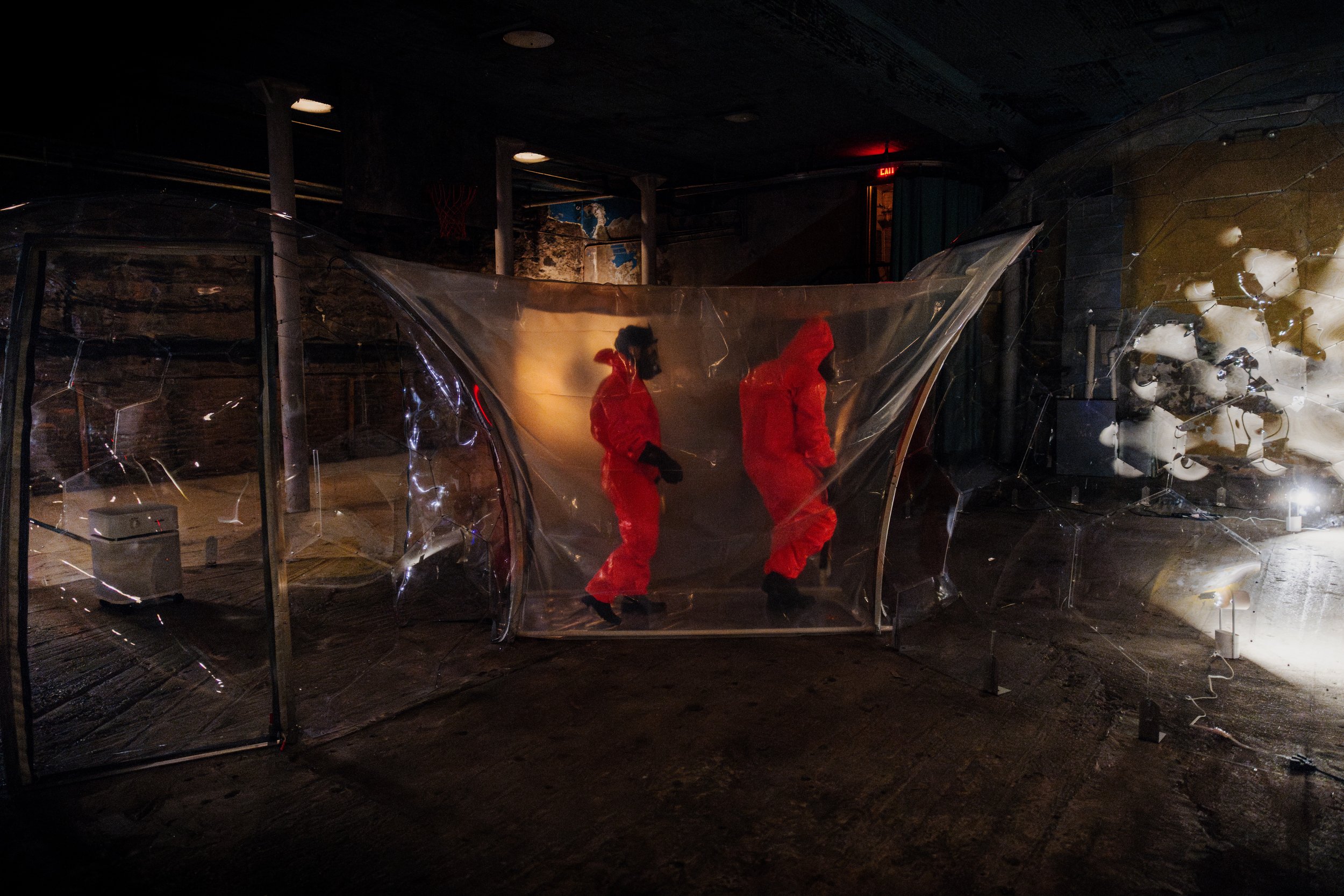
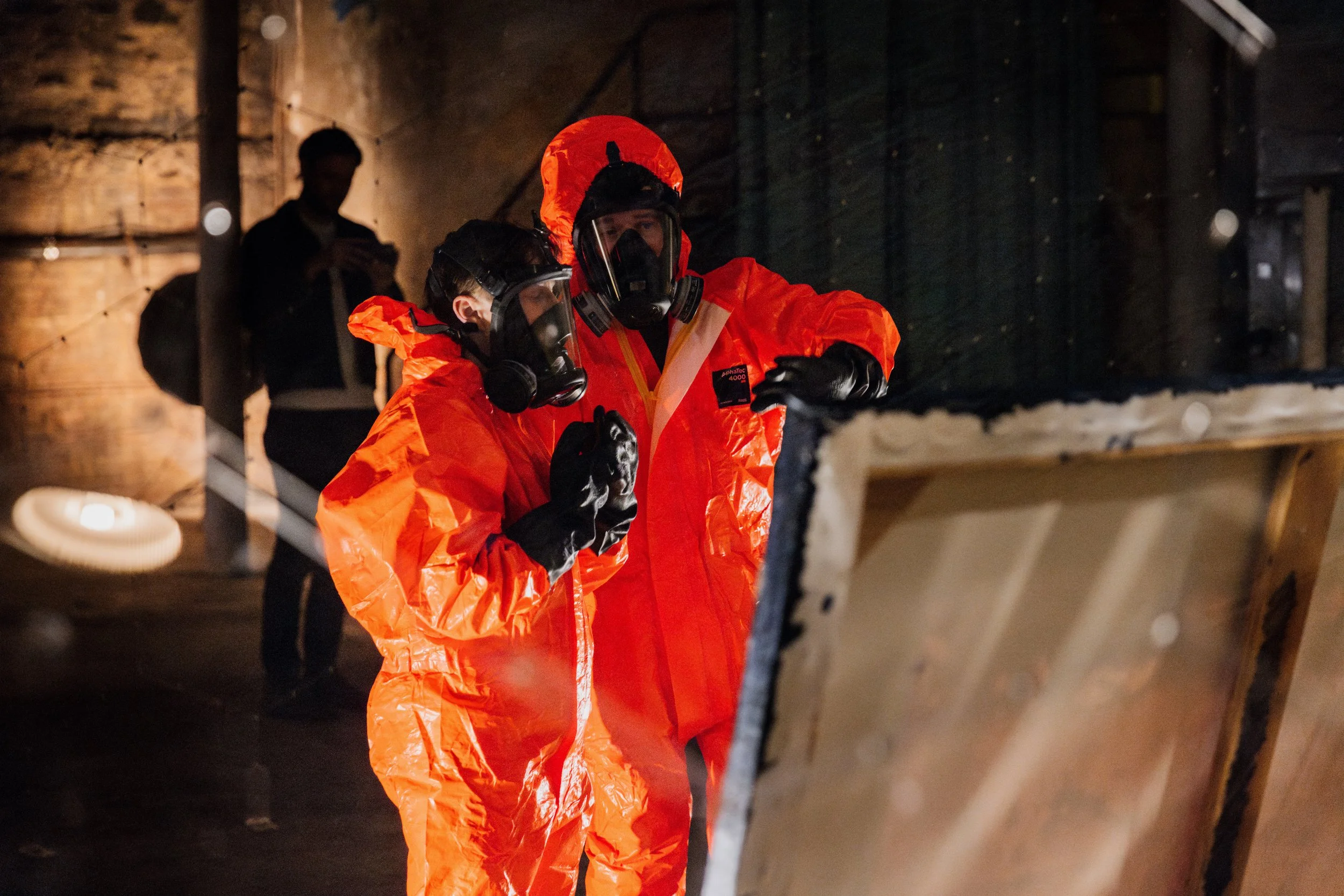
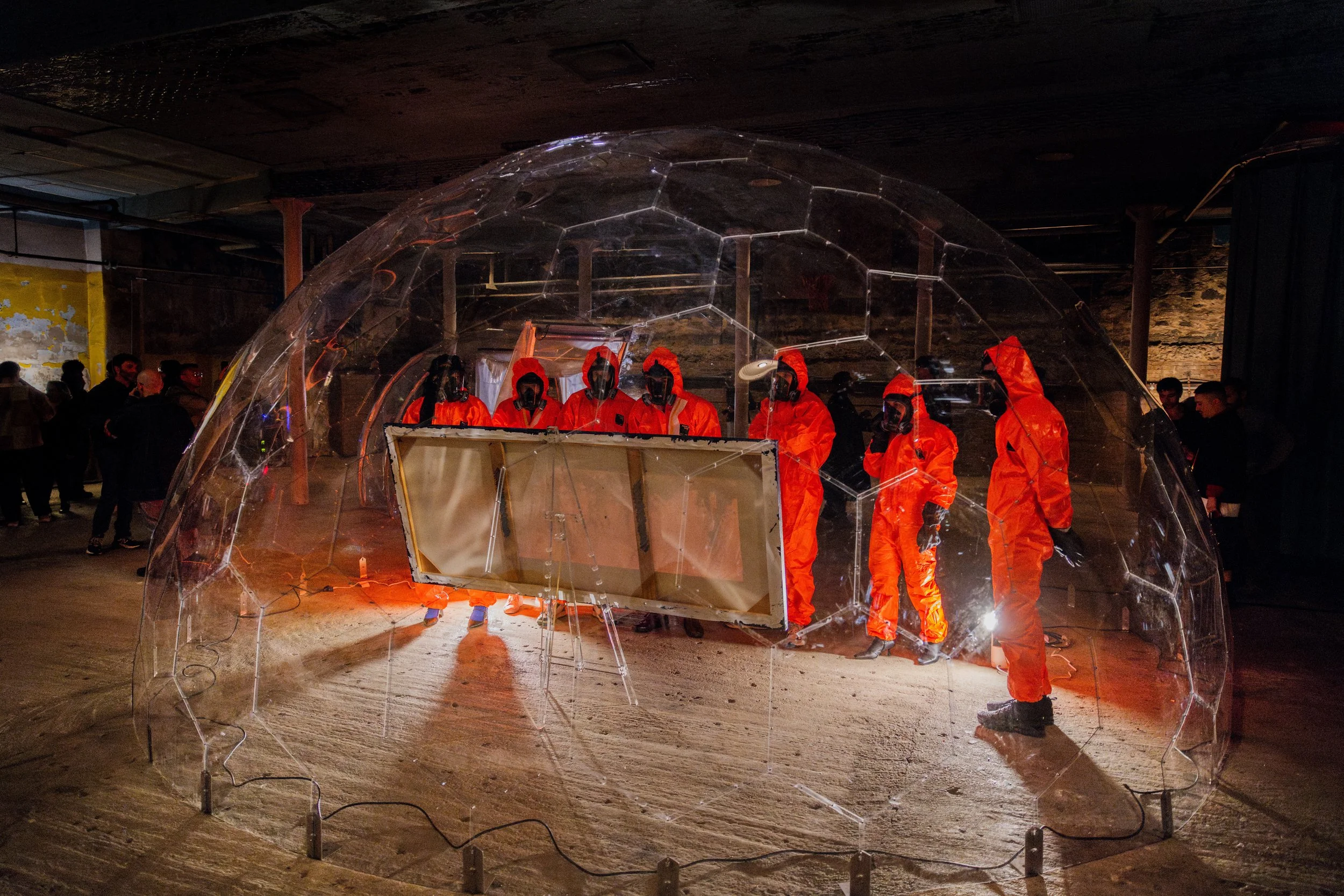
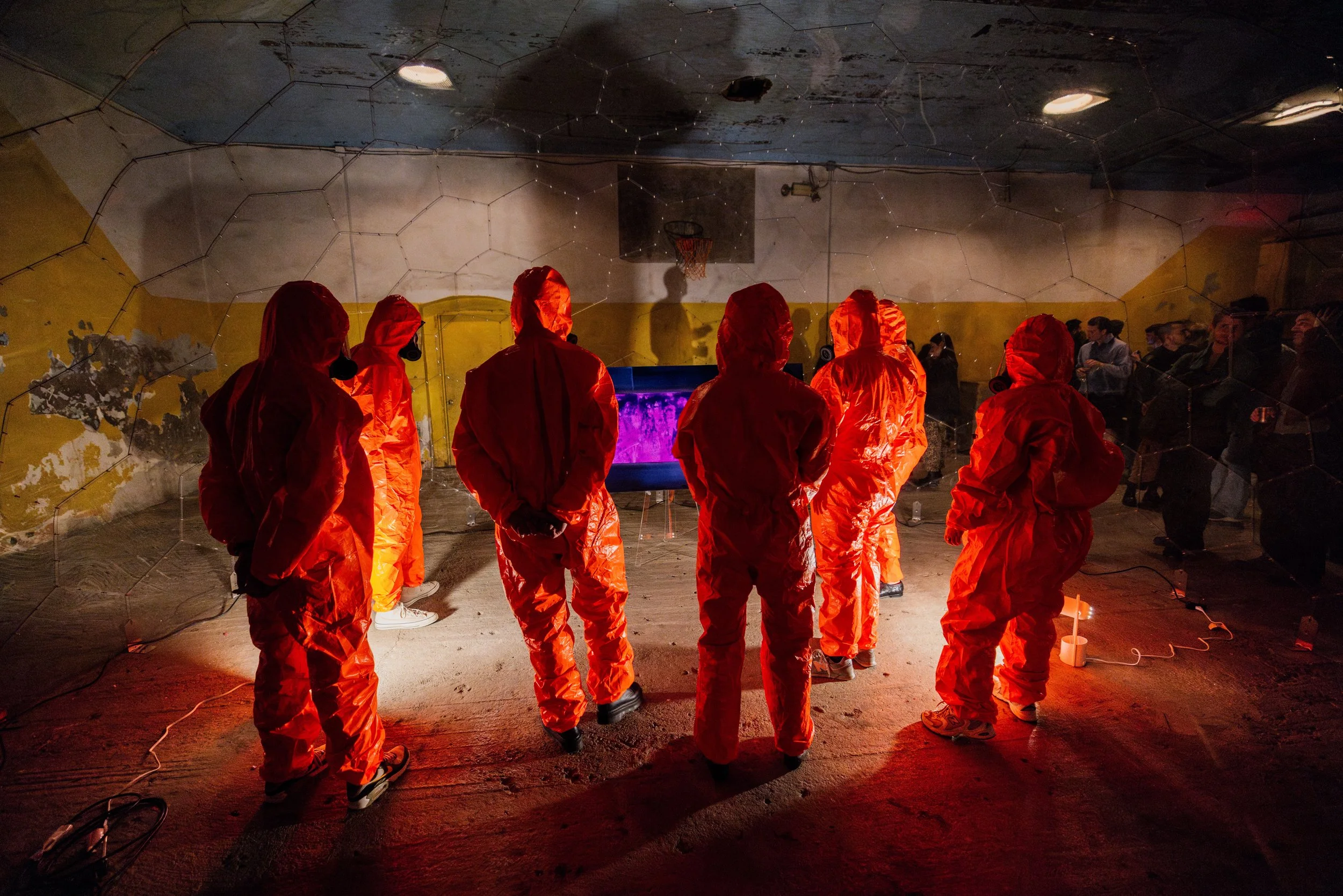
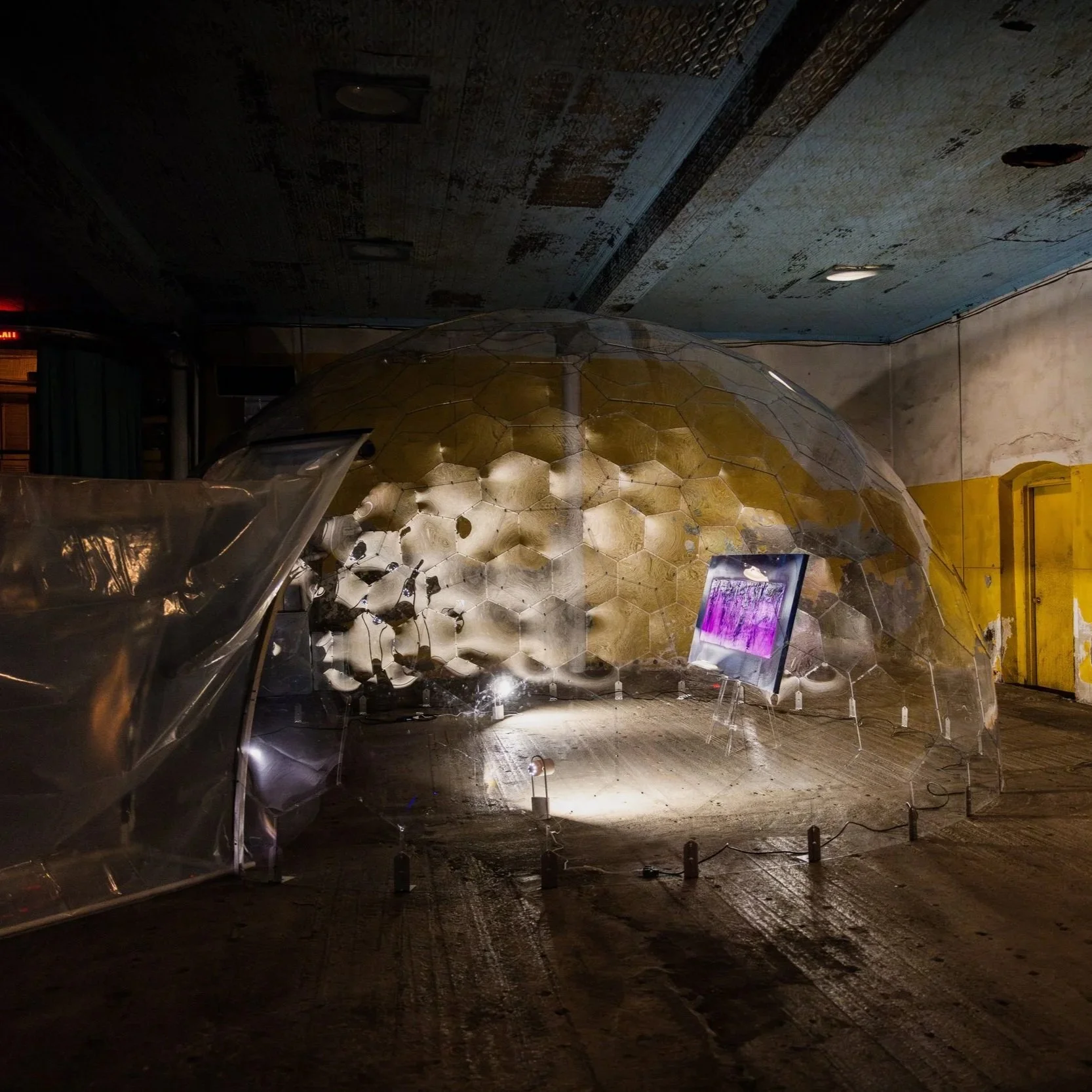
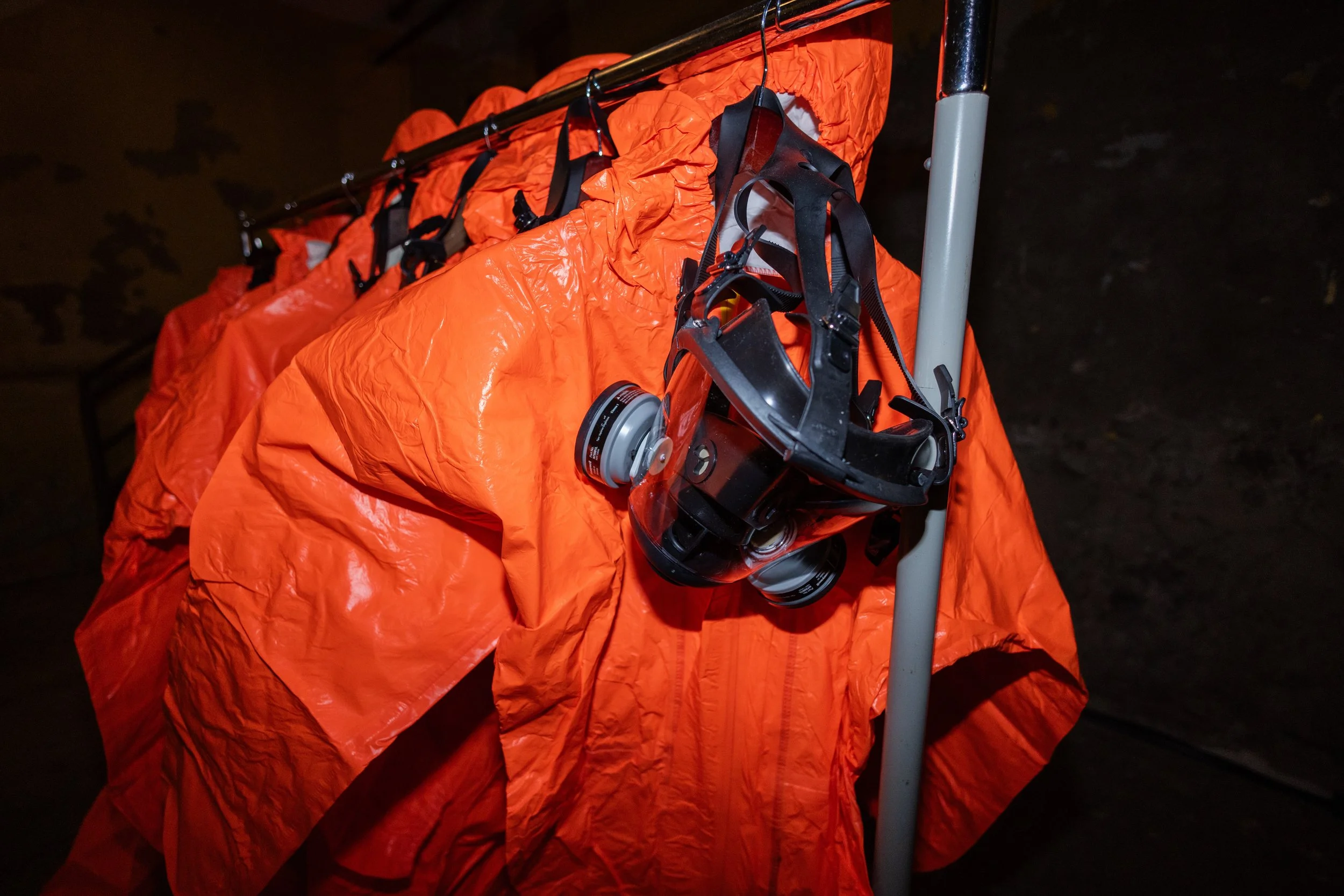
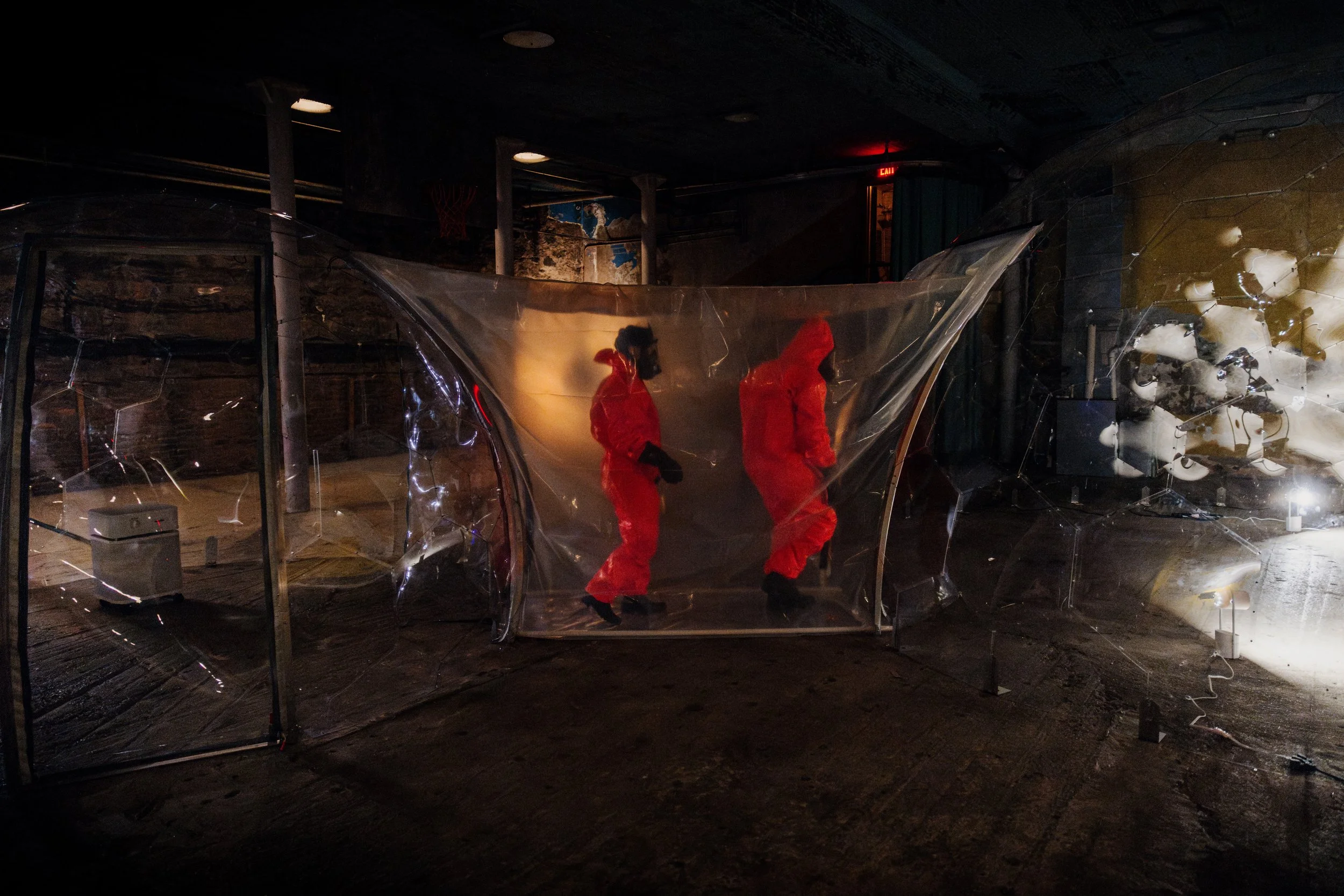
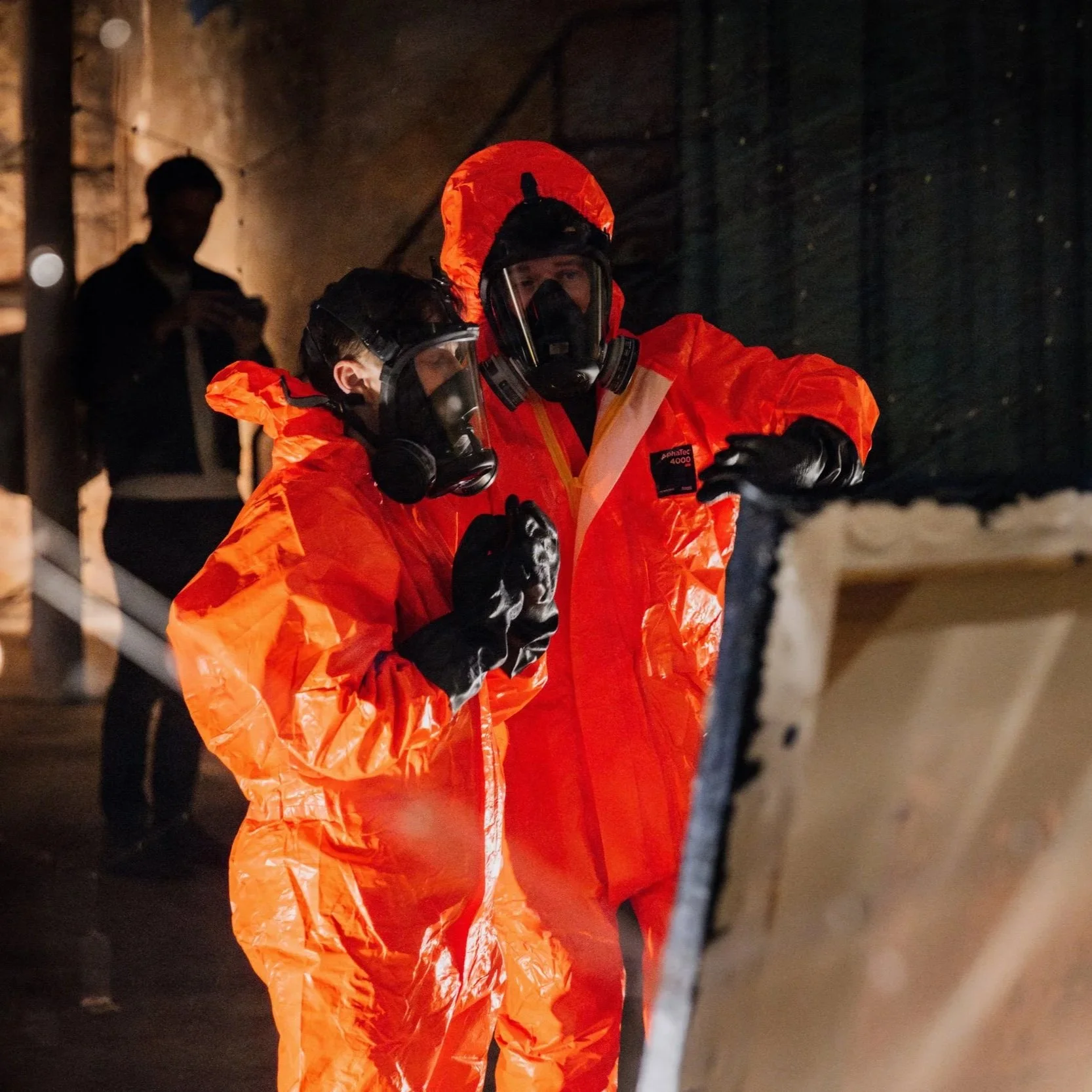
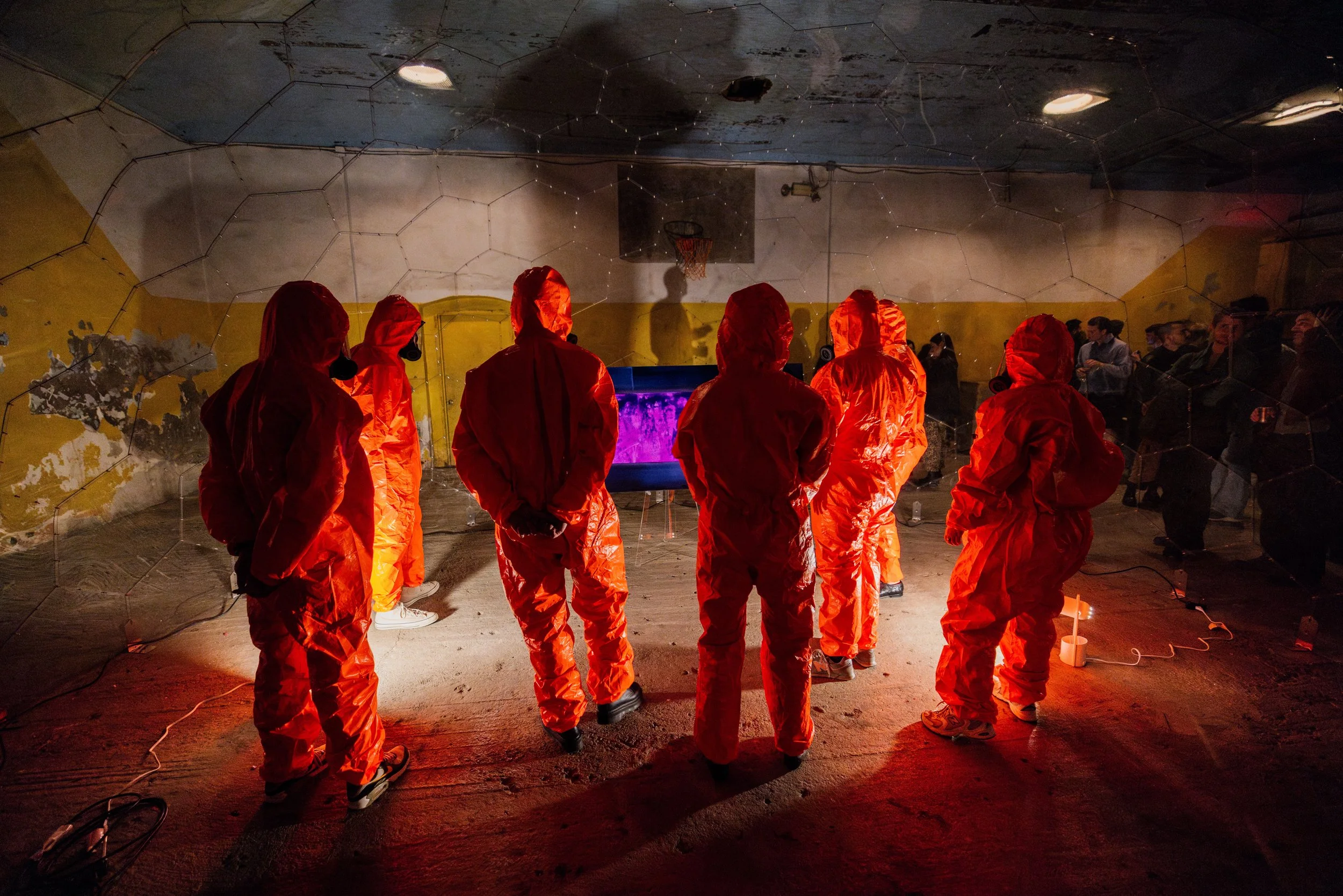
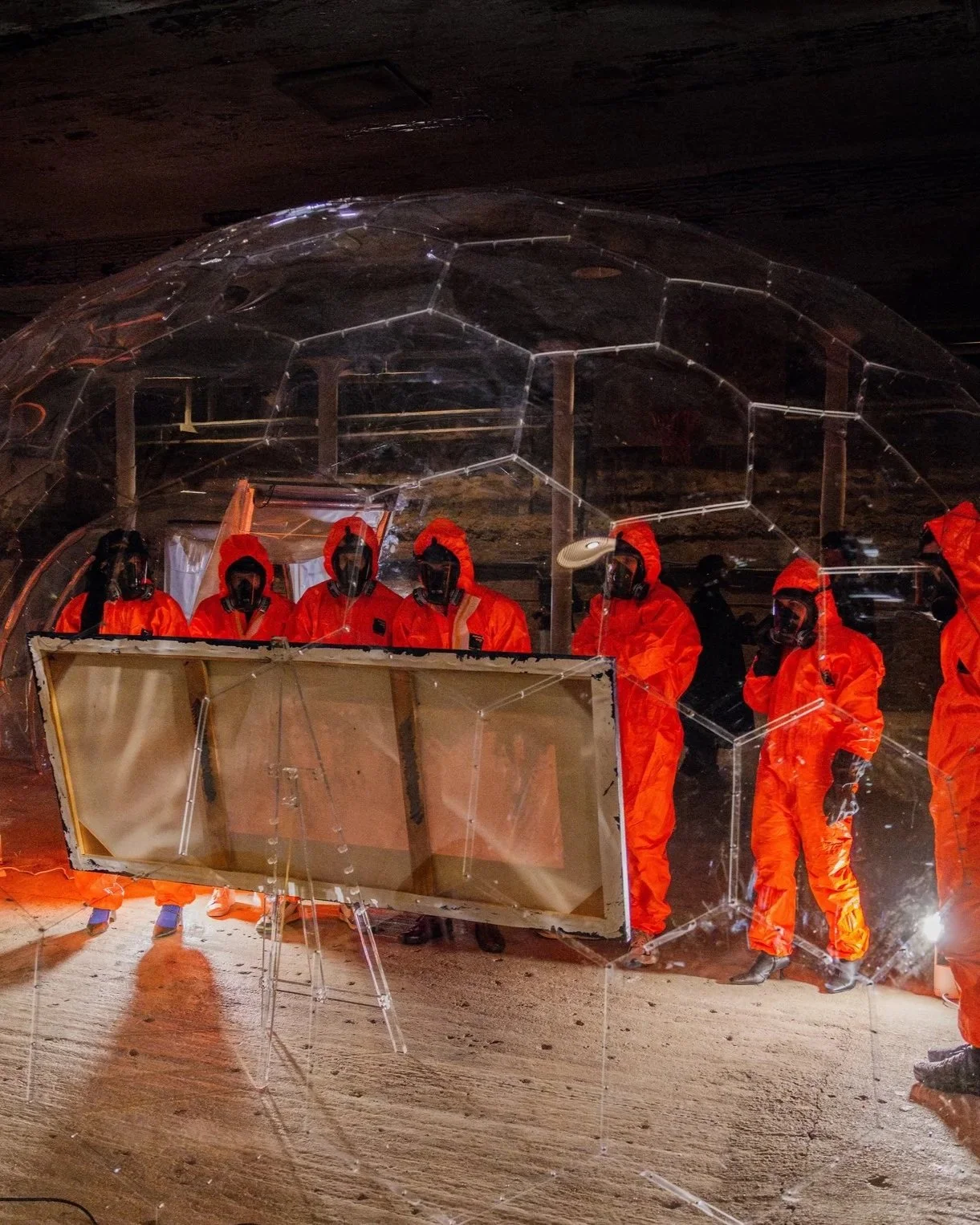
In March 2025, I created a series of paintings made using glyphosate, a synthetic herbicide used in urban weed control across New York City. Due to their toxicity, the paintings were shown in a hermetically sealed biocontainment chamber that required a hazmat suit to enter.
Weedkiller Residue in Brooklyn, New York
In March 2025, I created a series of paintings made using glyphosate, a synthetic herbicide used in urban weed control across New York City. Due to their toxicity, the paintings were shown in a hermetically sealed biocontainment chamber that required a hazmat suit to enter.
Origination:
One method to prioritize a subject for investigation is to apply the logic of proximity. Some parts of the world are closer to you and consequently become more deserving of your attention. By this logic, I chose to work with a highly potent industrial chemical regularly applied just two feet from the entrance to my apartment building: the weedkiller glyphosate.
I am less interested in whether glyphosate is good or bad than in how it functions as an active material within the landscape I inhabit. It is designed to interrupt biological processes and selectively suppress life at a scale beyond individual perception. Scientific uncertainty, regulatory conflict, and deep emotional charge surround the substance, yet it continues to circulate freely through the environment where I live.
This work arose from a desire to slow that circulation and make it perceptible. By isolating glyphosate within the conditions of a painting and containing it within a controlled viewing environment, I sought to create a situation in which the material could be encountered directly, without metaphor or reassurance.
Fabrication:
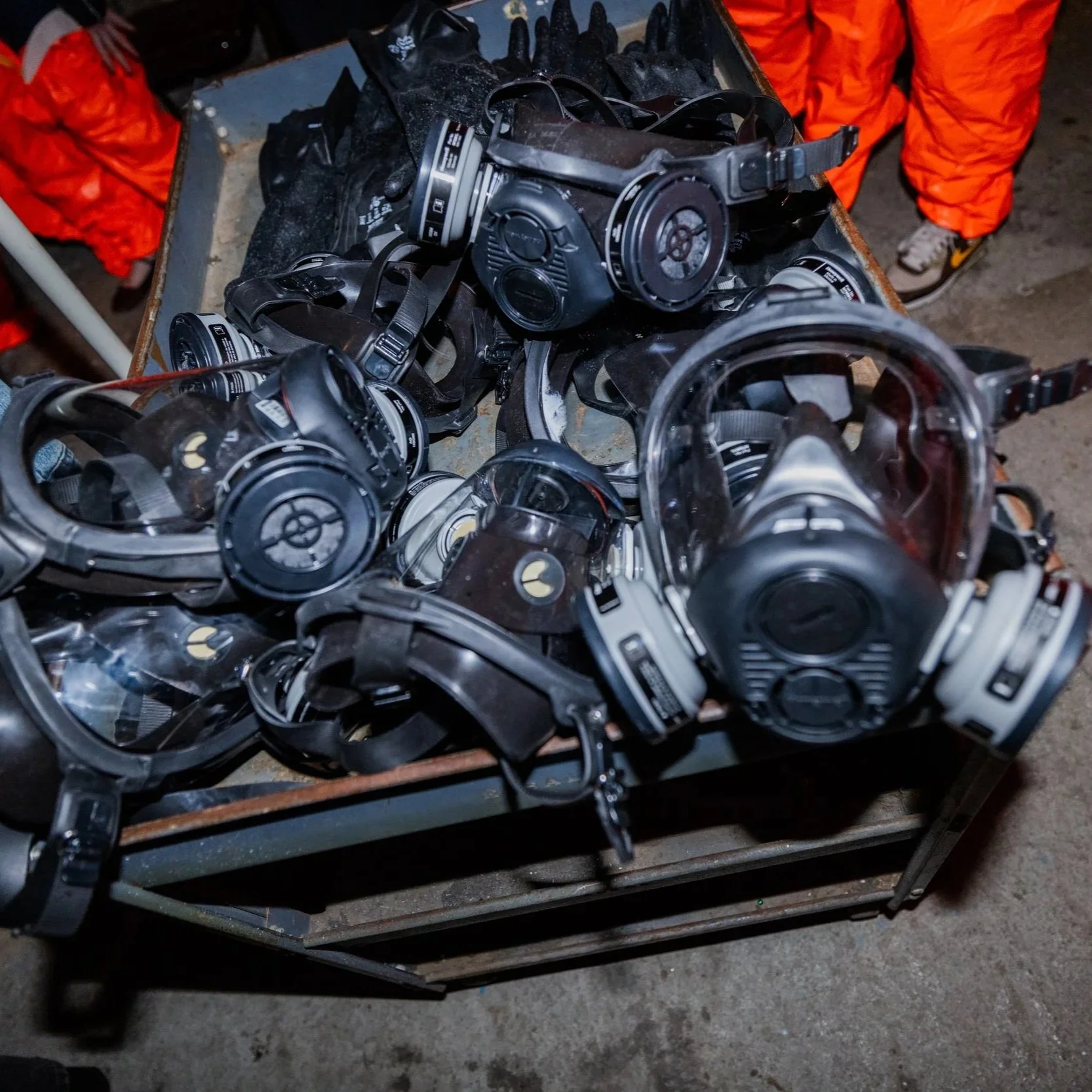
The paintings were made using glyphosate as an active component of the paint rather than a symbolic reference. Commercial formulations were incorporated into a binding medium and applied to canvas. Handling procedures were governed by the material’s documented risks, making protective equipment, controlled workspaces, and disposal protocols integral to the studio process.
Because the works could not be safely shown in open air, the exhibition infrastructure was developed in parallel with the paintings. Each work was housed in a sealed biocontainment chamber constructed from industrial plastics and filtration systems adapted from laboratory and environmental remediation contexts.
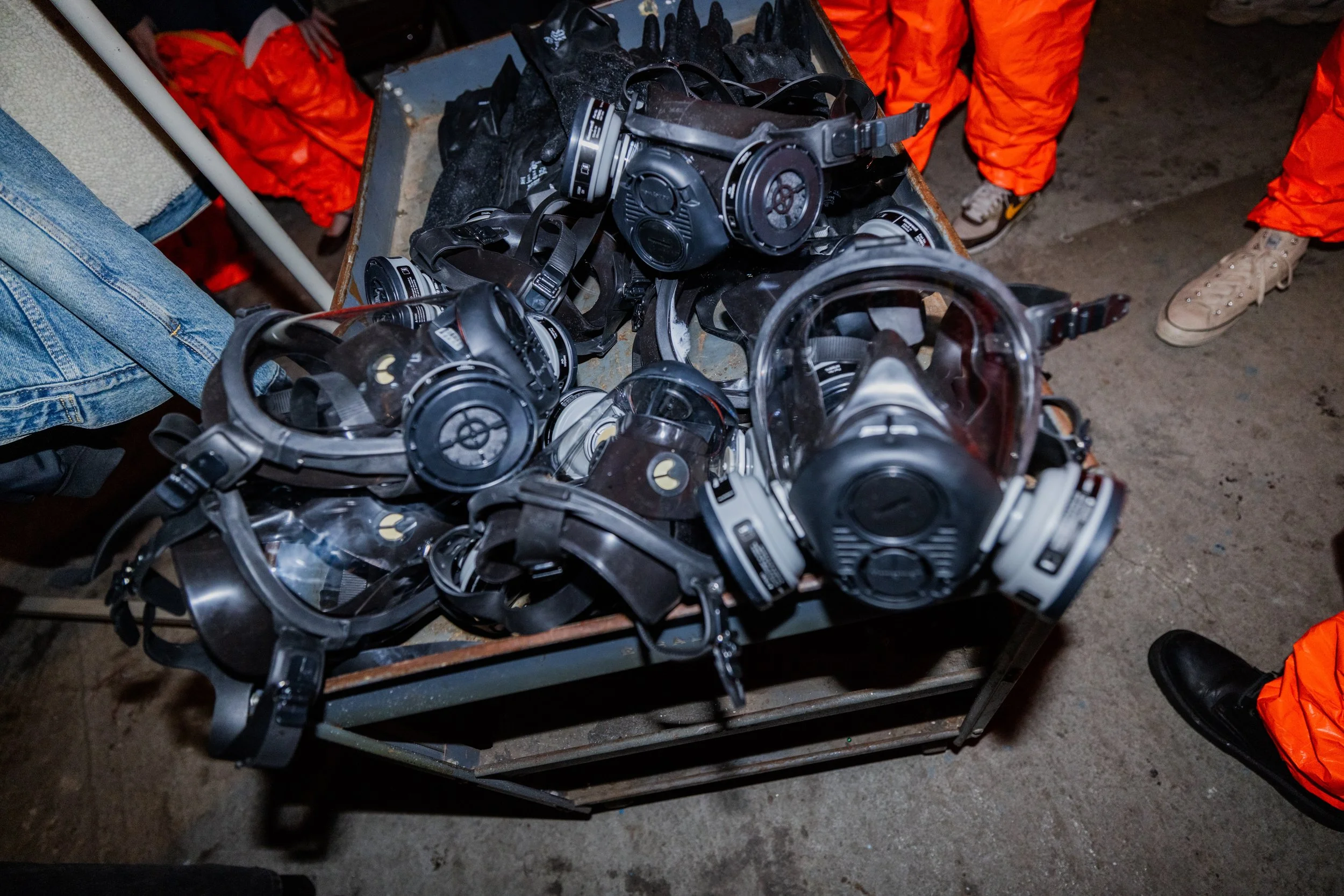
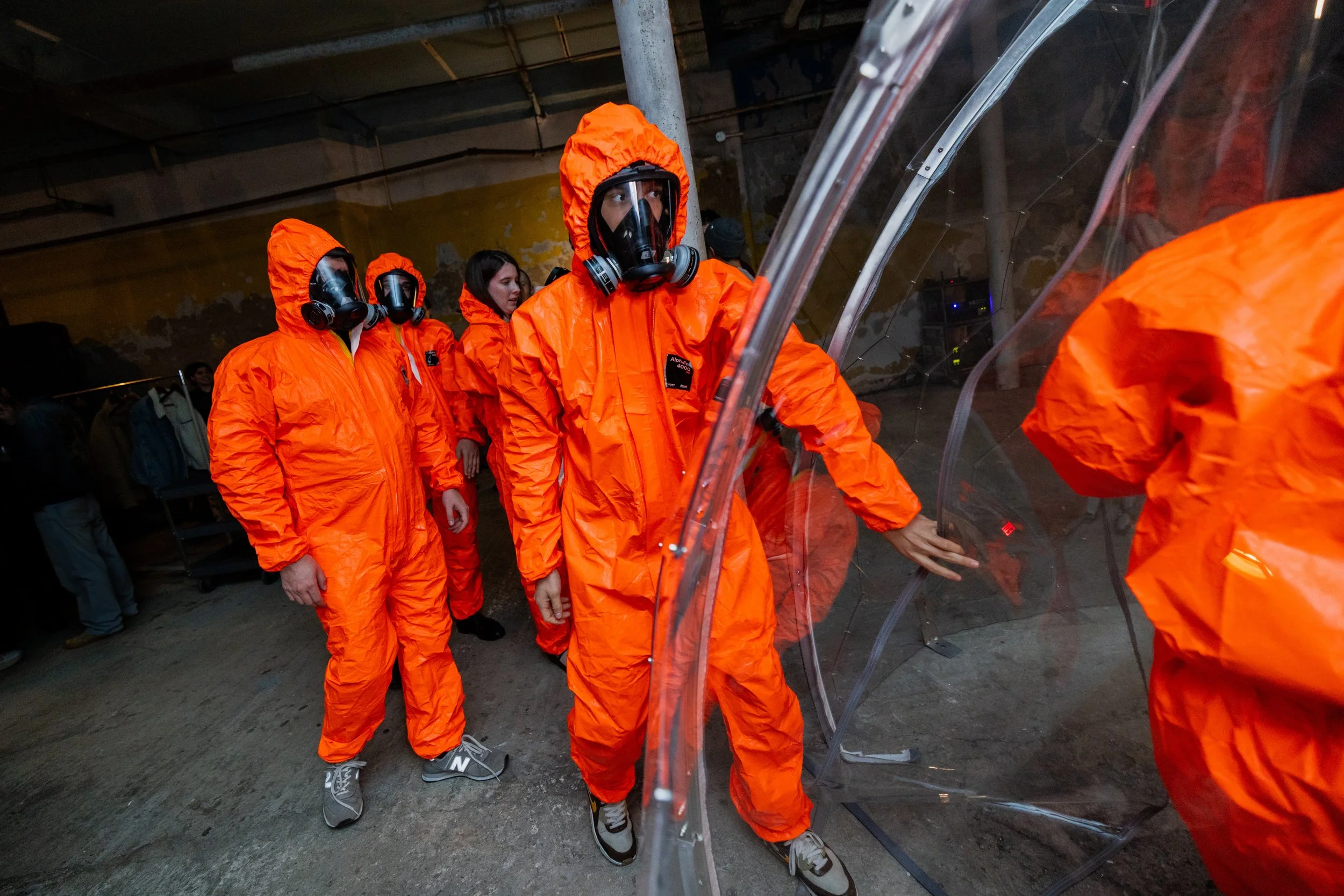
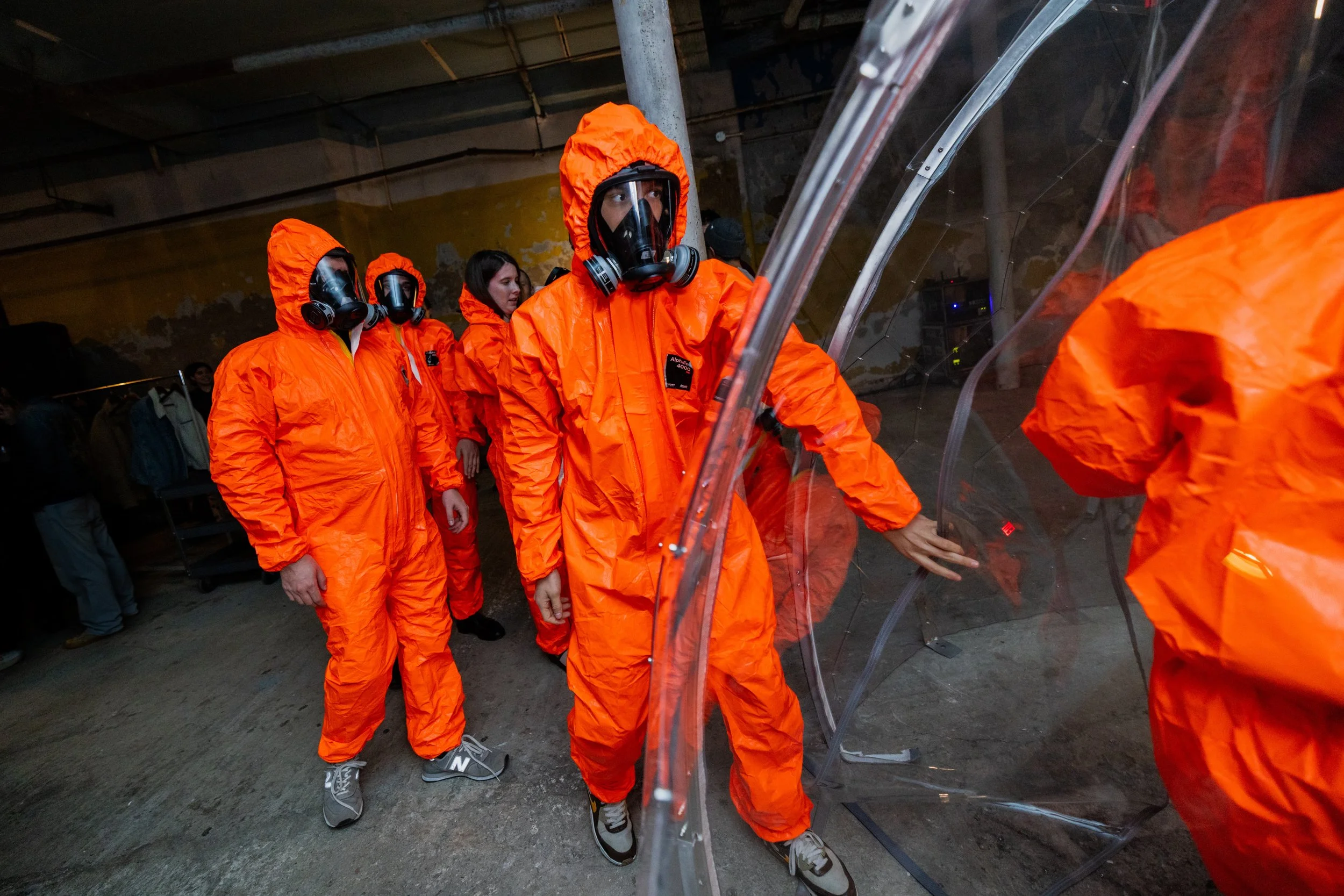
Viewer access was mediated through a controlled entry sequence involving protective equipment and supervised movement through an airlocked chamber. The fabrication of the paintings and the fabrication of their containment were inseparable processes, each determining how the work could exist and be encountered by the public.
Exhibition:
The exhibition took place over the course of a single evening at Gymnopedie in Brooklyn. Entry was staggered, and the flow of visitors was determined by capacity limits rather than by demand. The event unfolded slowly, with periods of waiting, observation, and instruction shaping the experience as much as the paintings themselves.
Over one hundred people chose to enter the biocontainment chambers, arriving as observers and becoming temporary occupants of a highly regulated environment. Visitors waited, suited up, and entered in sequence, often watching others emerge before them. Conversation, anticipation, and hesitation accumulated in the space surrounding the installation, extending the exhibition beyond the chamber itself.
The exhibition existed only for the duration of the event. Once the final visitor exited, the installation was decommissioned and dismantled. The works did not remain on view, and ongoing access to the paintings was not permitted beyond that evening.